Why Giving Back Benefits the Community and the Company
Why Giving Back Benefits the Community and the Company
Businesses often talk about values. The real question is whether those values show up in the communities where we live and work.
At La-Z-Boy, we believe companies have a responsibility that goes beyond the products they sell. Yes, we design furniture meant to bring comfort into people’s homes. But comfort shouldn’t stop in the living room. It should extend into the communities that make our work possible in the first place.
Today’s employees and consumers expect that. And frankly, they should.
“Employees increasingly value opportunities to give back through their workplaces, and those opportunities directly improve satisfaction and retention.”
Fidelity Charitable
People want to feel that their work contributes to something larger than quarterly earnings. When companies create pathways for employees to support causes they care about, the result is a workforce that feels more connected to their employer and to their community.
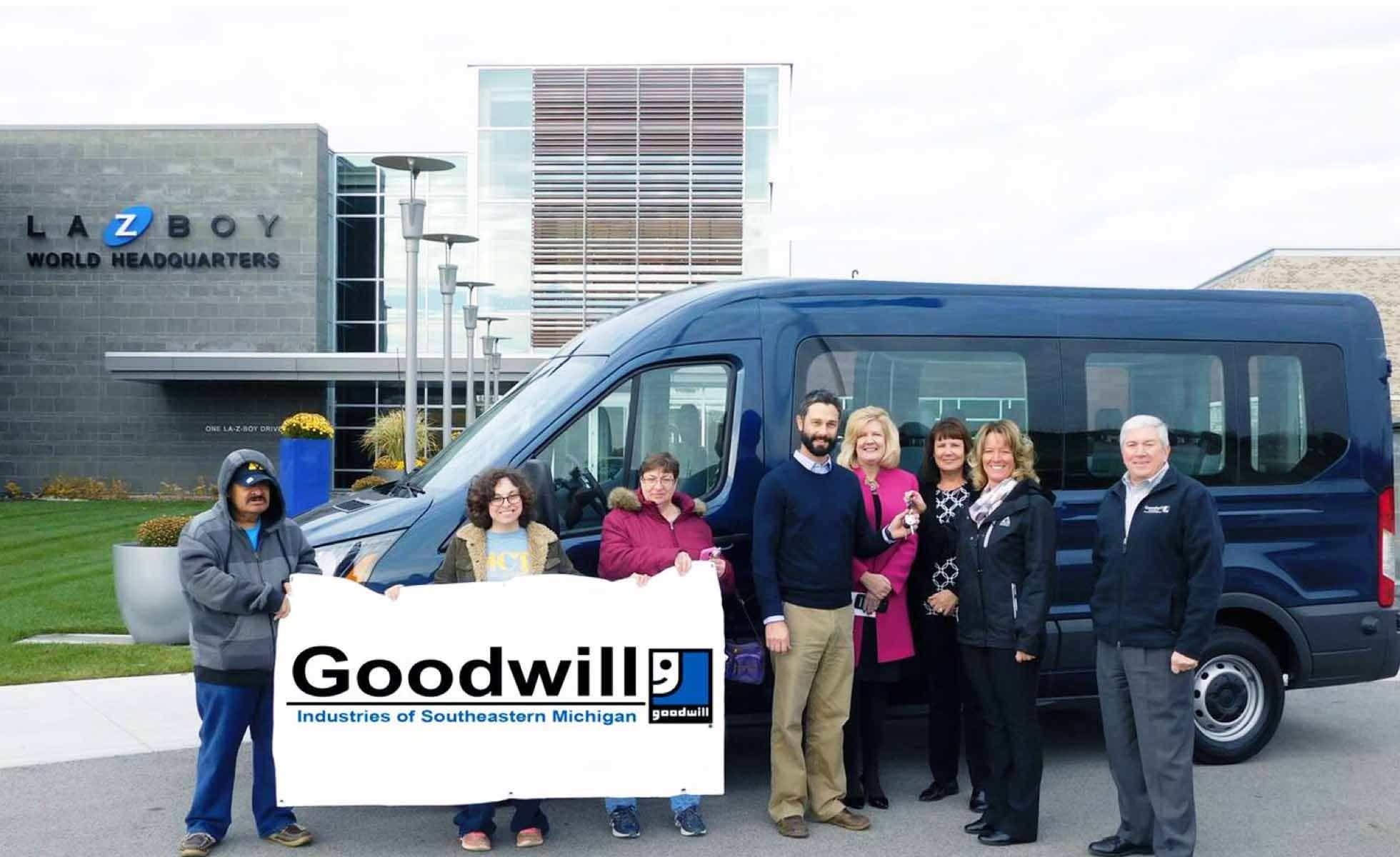
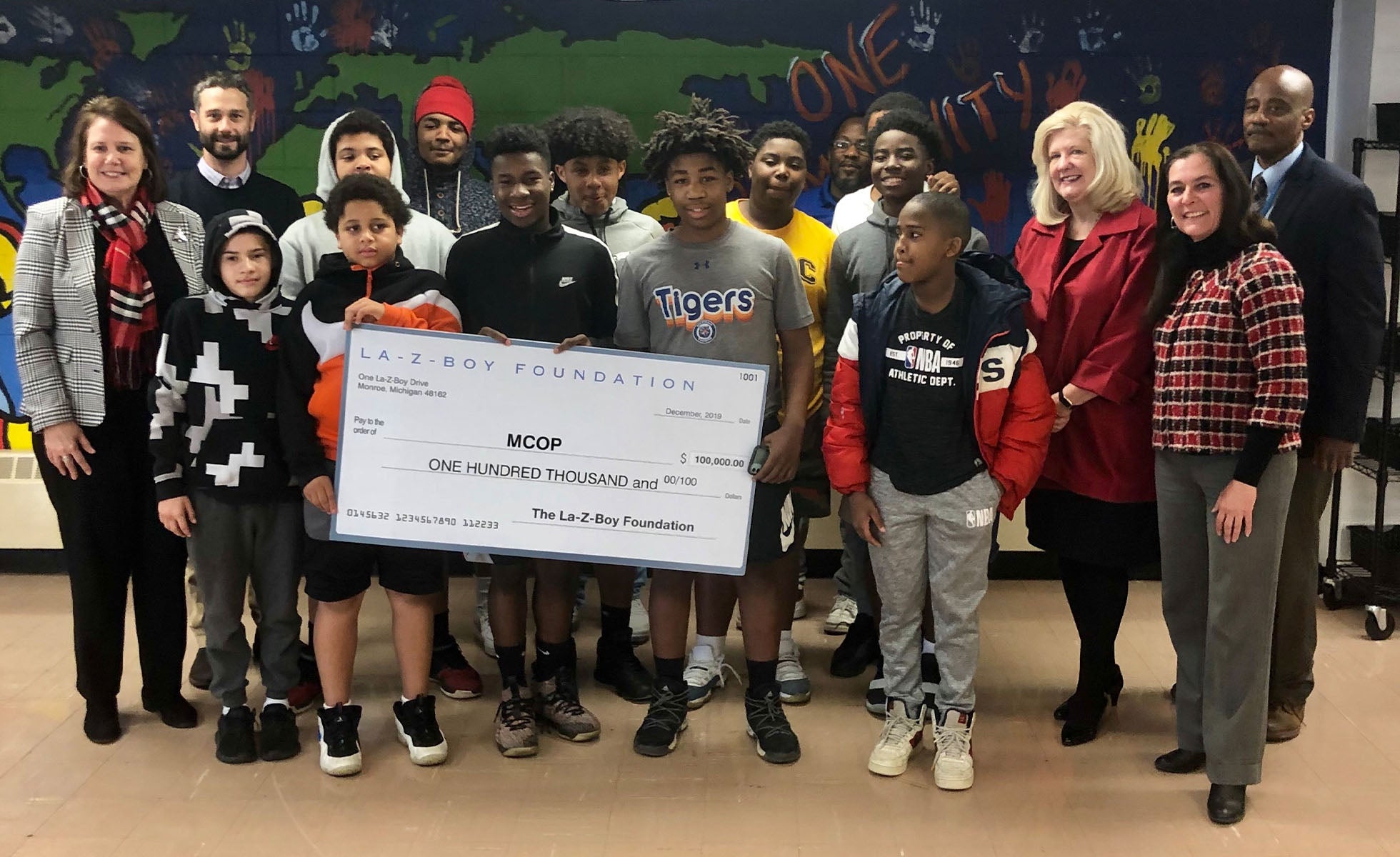
At La-Z-Boy, our employees are the lifeblood of our organization. Through the La-Z-Boy Foundation and our employee-driven La-Z-Boy Cares initiatives, we support the communities where we live and work. Since 1953, our foundation has helped direct resources to organizations that strengthen families, support disaster relief efforts, and create opportunities for people who need them most.
What I’ve learned over the years is that giving back isn’t a side project for businesses; it’s part of building a culture people want to belong to. When employees organize fundraising drives, volunteer in their neighborhoods, or support causes like the American Red Cross, they are reinforcing something that matters deeply to our company: that success should be shared.
Consumers notice this, too.
Research from EDHEC Business School shows that “corporate social responsibility can significantly improve consumer attitudes toward a company.” But the goal of giving back shouldn’t be to earn “brownie points.” Communities can tell the difference between genuine commitment and performative philanthropy.
The truth is simpler than that. Companies should invest in their communities because those communities sustain them.
La-Z-Boy was founded nearly a century ago by Edwin Shoemaker and Edward Knabusch with a simple purpose: to bring comfort into people’s homes. Over time, that idea has grown into something bigger. Comfort also means stability for families. It means strong local organizations. It means communities where people can build their lives.
One of the most rewarding aspects of corporate giving is seeing the tangible impact it creates. When furniture donations help families through difficult times, or when funding supports organizations that provide critical services, the ripple effects extend far beyond the initial act of giving.
Community investment also strengthens local economies. As Beverly Bank notes, charitable giving by businesses helps sustain social service agencies, support small businesses, and strengthen community ecosystems over the long term. In other words, when companies invest locally, everyone benefits.
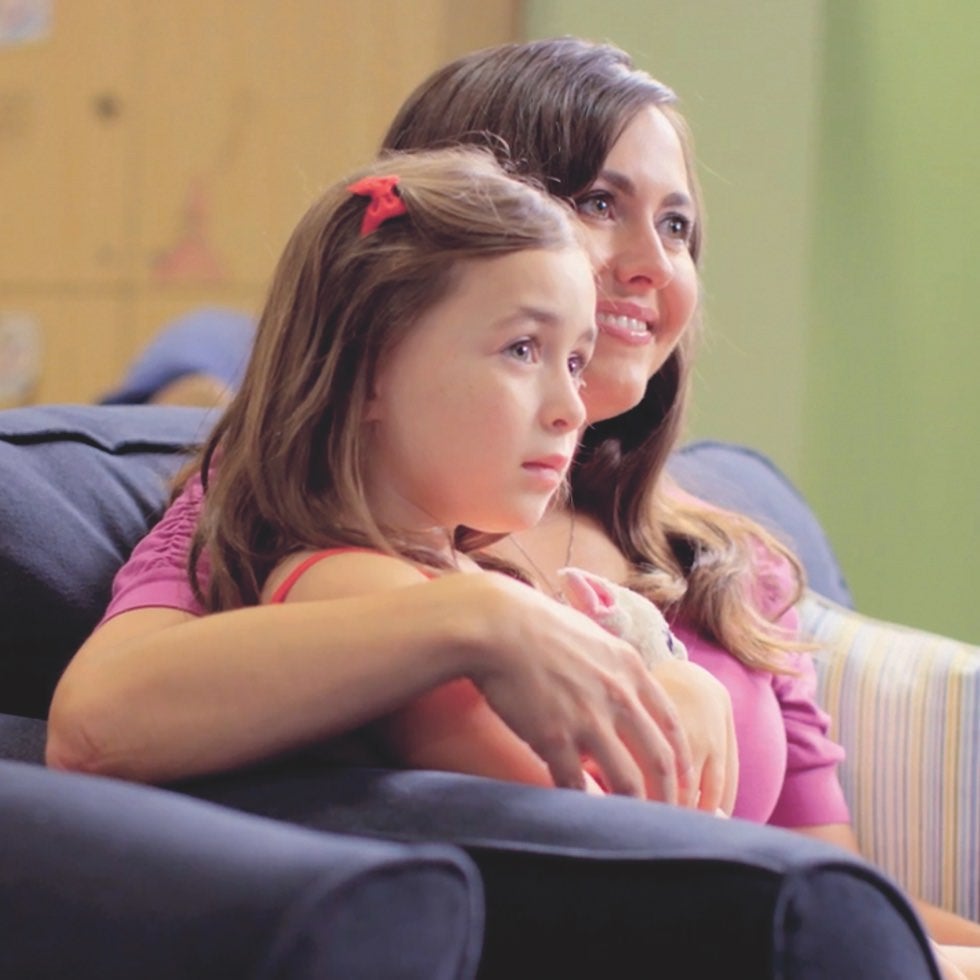
This year, La-Z-Boy is expanding that commitment through our partnership with Ronald McDonald House Charities. After being honored with the RMHC Global Impact Award, we pledged more than $3.25 million in product and monetary donations to the organization’s Family Impact Fund over the next five years.
This commitment also reflects another important responsibility companies have today: ensuring products continue to create value beyond their first use. Furniture that might otherwise be replaced or discarded can instead find a second life supporting families who need it most. By donating products to organizations like Ronald McDonald House Charities, we are not only supporting families during difficult moments—we are also extending the lifecycle of our furniture and reducing unnecessary waste. Sustainability, in this sense, is not just about materials or manufacturing; it’s about making sure the things we create continue to serve people long after they leave our showrooms.
But this announcement isn’t about recognition. It’s about responsibility.
None of these efforts would be possible without the dedication of our employees and the trust of our customers. They are the reason we have the opportunity and the obligation to give back.
In business, legacy is often measured by growth or profitability. I think it should also be measured by something else: the strength of the communities we help build along the way.
Because when companies invest in people, the return lasts far longer than any balance sheet.
Melinda D. Whittington
By: Melinda D. Whittington and Haley Bishop
AUTHORS: Melinda D. Whittington is the CEO of La-Z Boy, at La-Z-Boy Incorporated, and the Board chair at Best Buy. Haley Bishop is the Chief Communications Officer at La-Z Boy Incorporated
Based on the 2024 ESG Report, this thought-leadership piece positions La-Z-Boy as a company that prioritizes community impact and employee engagement as core elements of its business strategy. By focusing on corporate social responsibility, specifically charitable giving, the article aligns with La-Z-Boy’s long-standing initiatives, including the La-Z-Boy Foundation, La-Z-Boy Cares, and its partnership with Ronald McDonald House Charities. The piece also highlights how product donations extend the lifecycle of furniture, demonstrating how community support and sustainability can intersect through responsible reuse and reduced waste. This messaging emphasizes that community investment is not simply philanthropy—it is a leadership responsibility that benefits employees, consumers, and local communities alike. Positioning Melinda Whittington, La-Z-Boy’s CEO, as the voice of the piece reinforces the company’s values-driven leadership. As a former accountant, Whittington represents a leader who looks beyond financial success to consider the broader social and community impact of the company, further strengthening La-Z-Boy’s reputation as a purpose-driven brand.
This is not affiliated with La-Z Boy; it is a class project